The Maverick's $90 Million Empire
Kyrie Irving's financial trajectory reads like a cautionary tale wrapped in basketball brilliance. The supremely talented point guard has amassed an estimated $90 million net worth through a combination of NBA contracts, business ventures, and strategic investments, though his path to wealth has been anything but conventional.
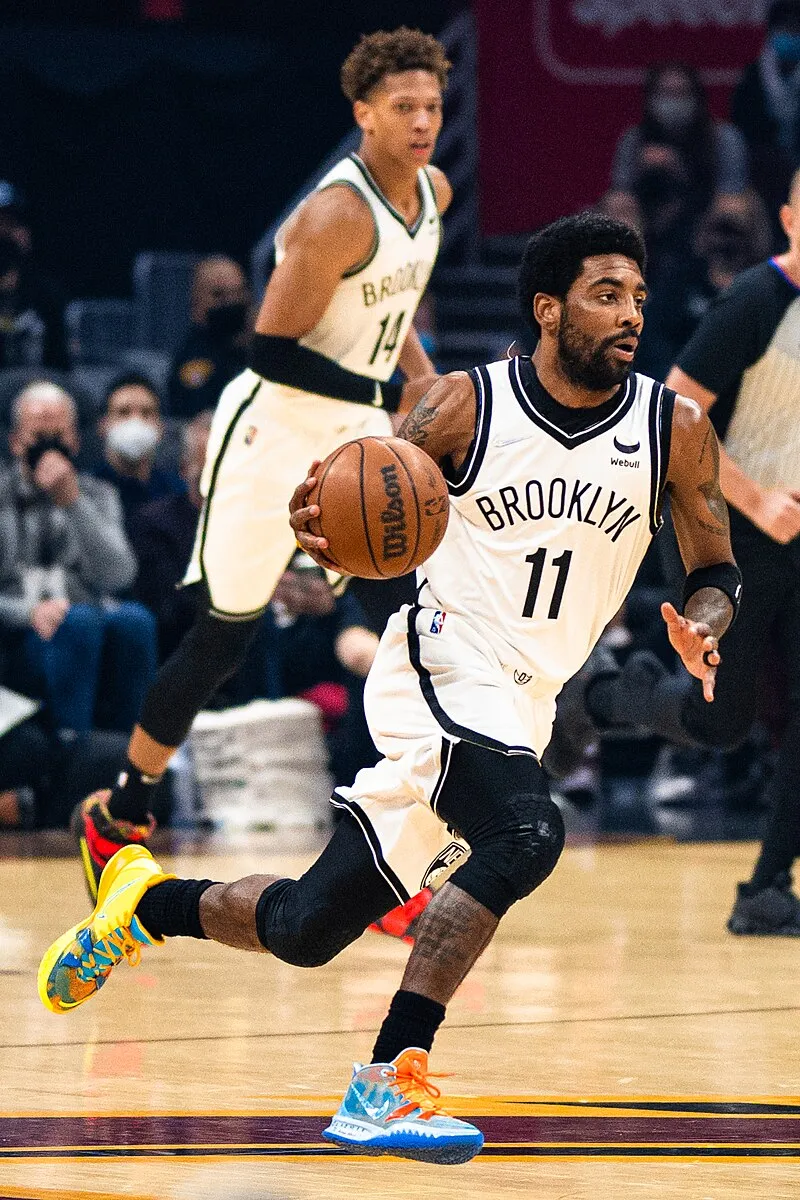
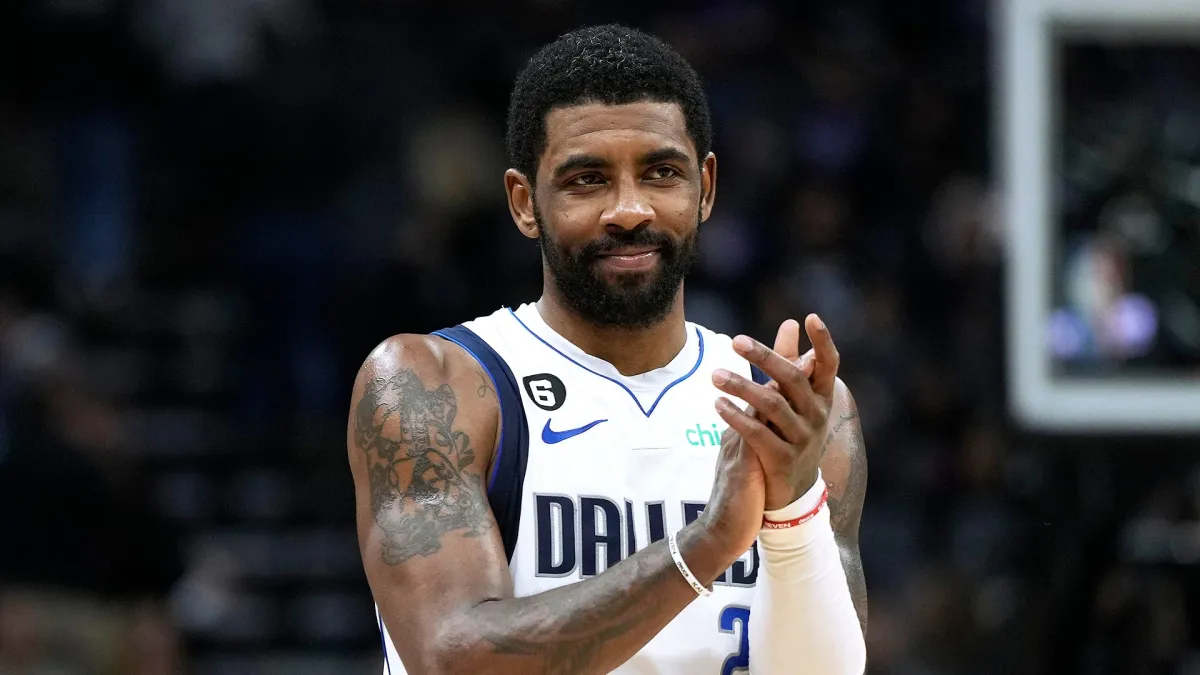 Photo: Kyrie Irving, via cdn.nba.com
Irving's journey from Duke University standout to NBA millionaire began in 2011 when the Cleveland Cavaliers selected him first overall. His rookie contract worth $23.3 million over four years marked the beginning of a career that would see him earn over $200 million in salary alone.
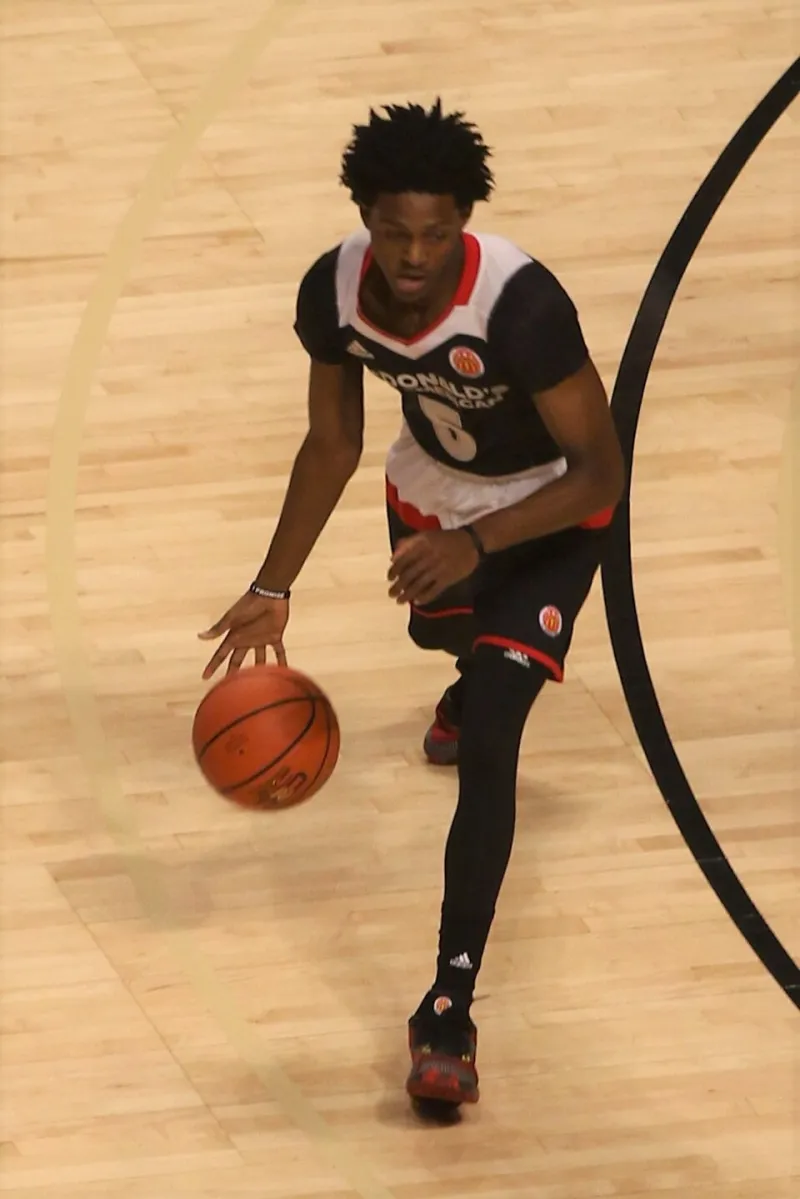
 Photo: Duke University, via captainkimo.com
NBA Salary Progression
The foundation of Irving's wealth stems from his NBA earnings, which have consistently placed him among the league's highest-paid players. After completing his rookie deal in Cleveland, Irving signed a five-year, $90 million extension in 2014, securing his financial future at just 22 years old.
His subsequent moves to Boston and Brooklyn came with maximum salary contracts. The Celtics paid Irving $21.3 million during the 2017-18 season, while his time with the Brooklyn Nets saw him earn $34.9 million in 2020-21. His current deal with the Dallas Mavericks, signed in 2023, ensures continued elite-level compensation through the prime of his career.
The Cost of Controversy
Irving's financial story took a dramatic turn in 2022 when his social media activity led to the suspension of his lucrative Nike partnership. The endorsement deal, reportedly worth $11 million annually, represented a significant portion of his off-court earnings. Nike had been Irving's primary shoe sponsor since 2014, with his signature Kyrie line becoming one of the brand's most popular basketball shoes.
The fallout extended beyond Nike, as other potential sponsors became hesitant to associate with Irving's brand. This period highlighted the modern athlete's delicate balance between personal expression and commercial viability.
Business Ventures and Investments
Despite endorsement setbacks, Irving has diversified his income through various business ventures. He co-founded Eleven, a media company focused on creating content that amplifies marginalized voices. The venture reflects Irving's commitment to social causes while providing potential long-term financial returns.
Real estate investments form another pillar of Irving's wealth portfolio. He owns properties in multiple markets, including a $3.2 million home in West Orange, New Jersey, and previous holdings in Cleveland and Boston that he acquired during his playing stints in those cities.
Cultural Impact and Licensing
Irving's influence extends far beyond traditional basketball metrics. His playing style, characterized by spectacular ball-handling and clutch performances, has made him a favorite among younger fans. This popularity translates into licensing opportunities, video game appearances, and merchandise sales that continue generating revenue.
His championship-winning shot for Cleveland in 2016 remains one of the most iconic moments in NBA history, creating lasting value for his personal brand. The shot's cultural significance ensures ongoing licensing opportunities and memorabilia sales.
Alternative Revenue Streams
Following his Nike departure, Irving explored alternative partnerships that aligned with his values. He briefly partnered with ANTA, a Chinese sportswear brand, before eventually launching his own shoe brand initiatives. These moves demonstrate his willingness to forge unconventional paths in the business world.
Irving has also invested in cryptocurrency and blockchain technology, reflecting his interest in emerging financial markets. While specific investment amounts remain private, his public advocacy for digital currencies suggests significant exposure to this volatile but potentially lucrative sector.
Financial Philosophy and Management
Unlike some athletes who rely heavily on financial advisors, Irving takes an active role in managing his wealth. He has spoken publicly about the importance of financial literacy and has worked with specialized firms that understand the unique challenges facing professional athletes.
His approach to wealth management emphasizes long-term stability over short-term gains. This philosophy has helped him weather the financial storms created by his endorsement controversies while maintaining his overall net worth.
Looking Ahead
As Irving continues his NBA career with Dallas, his earning potential remains substantial. The Mavericks represent a fresh start both professionally and financially, offering opportunities to rebuild his brand while competing for championships.
At 32, Irving still has several productive years ahead, potentially earning another significant contract extension. His unique skill set and playoff experience make him valuable to contending teams willing to pay premium salaries.
The key to Irving's financial future lies in balancing his personal convictions with commercial opportunities. His talent ensures continued NBA earnings, but maximizing his off-court potential will require careful brand management and strategic partnerships.
Irving's $90 million net worth in 2026 reflects both his extraordinary basketball abilities and the complex realities of modern athlete finances, where talent alone doesn't guarantee maximum earning potential.