Hakeem Olajuwon Net Worth 2026 - The Dream's $300 Million Fortune Built on Discipline and Vision
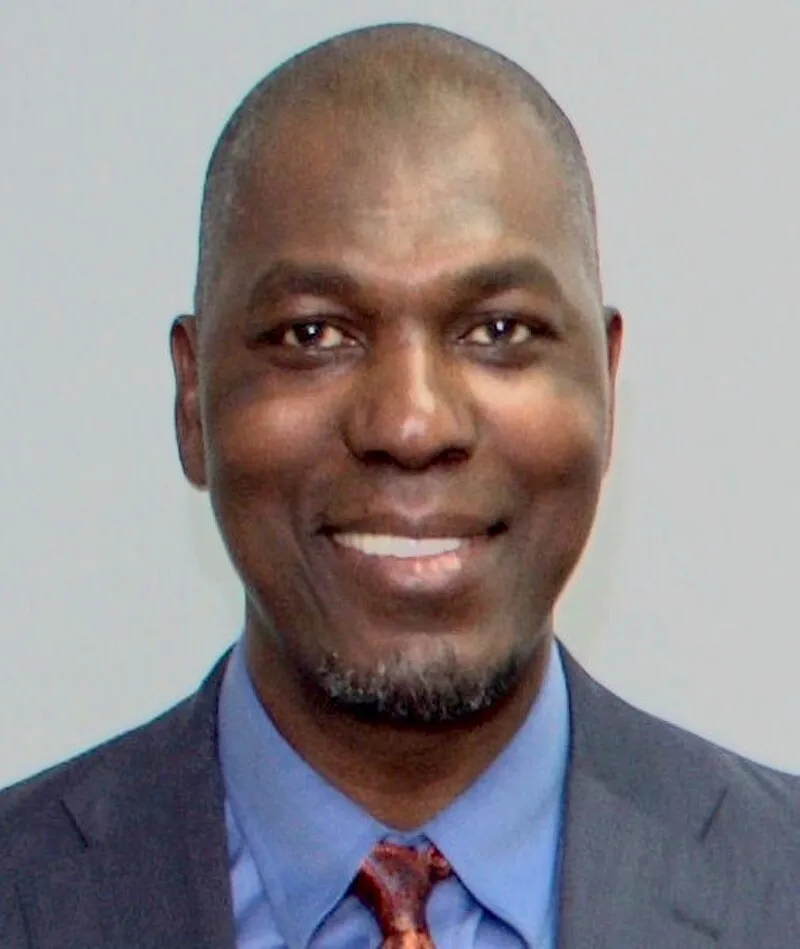
Photo of Hakeem Olajuwon, via Wikimedia Commons
Hakeem Olajuwon's estimated $300 million net worth is the product of four decades of financial discipline, strategic real estate investment, and a global brand built on excellence both on and off the court. The two-time NBA champion and Hall of Famer transformed a career defined by humility and precision into a quietly impressive financial empire that spans Houston, the Middle East, and beyond. In a landscape often dominated by athletes who made their fortunes through endorsement saturation and celebrity deals, Olajuwon's path stands apart — built on patience, faith, and an understanding of asset value that few of his contemporaries matched.
A Hall of Fame Career and Its Salary History
Hakeem Abdul Olajuwon arrived in Houston as the first overall pick in the 1984 NBA Draft, selected by the Rockets out of the University of Houston. Over the 18 seasons that followed, he would redefine the center position, winning two NBA championships (1994 and 1995), a Finals MVP, a regular season MVP, and two Defensive Player of the Year awards. He remains the NBA's all-time leader in blocked shots and one of the most technically accomplished big men the game has ever produced.
Olajuwon's NBA salary history reflects the compensation norms of the late 1980s and 1990s. His most lucrative Houston contract paid him in the range of $7 million to $10 million per season during his peak years — substantial for the era, though modest compared to the max contracts that would emerge in the years following the 1999 collective bargaining agreement. His brief stint with the Toronto Raptors at the conclusion of his career added modest additional earnings.
In total, Olajuwon earned approximately $100 million in NBA salary over the course of his career — a foundation, but by no means the primary source of his current wealth.
Real Estate: The Core of the Dream's Fortune
If there is one pillar upon which Hakeem Olajuwon's financial legacy most firmly rests, it is real estate. Beginning during his playing career and accelerating dramatically after his retirement in 2002, Olajuwon assembled a real estate portfolio in the Houston metropolitan area that industry observers have described as one of the most extensive held by any former professional athlete in the American South.
His approach was methodical rather than speculative. Olajuwon focused on commercial and residential development in suburban Houston corridors, acquiring land and properties in areas he identified as likely growth markets well before broader development trends confirmed his analysis. The Houston real estate market's long-term expansion — driven by the energy sector, population growth, and business relocation — validated many of those early bets handsomely.
Beyond Houston, Olajuwon has maintained real estate interests in other American cities and, significantly, in the Middle East. His deep connections to the Islamic world — he is a devout Muslim who became a naturalized U.S. citizen in 1993 — have informed both his personal life and his investment geography. Properties in the Gulf region, where his name carries enormous cultural resonance, have formed a meaningful component of his international holdings.
Real estate analysts familiar with his portfolio estimate its current value in the range of $150 million to $200 million, making it the single largest contributor to his overall net worth.
The HakimShoes Venture and Endorsement Philosophy
One of the more distinctive chapters in Olajuwon's financial biography is his decision to launch his own affordable signature shoe line in 1995. At the height of his commercial appeal — having just won back-to-back championships — Olajuwon chose to market a shoe priced at under $35, explicitly designed to be accessible to lower-income families who could not afford the premium sneakers dominating the market.
The move was widely interpreted as a rebuke of the celebrity sneaker economy and a reflection of his faith-based values around economic justice. While the line was eventually discontinued, it earned Olajuwon enormous goodwill and cemented a public image as an athlete of unusual moral consistency. That reputation, paradoxically, has proven to be a durable commercial asset — making him a sought-after figure for partnerships that value authenticity over flash.
Olajuwon's overall endorsement history was never as voluminous as contemporaries like Michael Jordan or Charles Barkley. He was selective, and that selectivity preserved the integrity of his personal brand in ways that continue to pay dividends through licensing, appearance fees, and advisory relationships.
The Coaching Empire and Skills Development Business
In retirement, Hakeem Olajuwon discovered a second calling: teaching. His post-playing career has been characterized in part by an extensive involvement in player development, with a particular focus on footwork and post technique. The "Dream Shake" and the full repertoire of his low-post arsenal became curricula for a generation of NBA big men who sought him out for private instruction.
Among the players who have publicly credited Olajuwon with transforming their games are Dwight Howard, Kobe Bryant, Dirk Nowitzki, and — notably — several current NBA centers who made the pilgrimage to Houston or Dubai for multi-day training sessions. These engagements, while not the primary source of his income, have generated substantial fees and, more importantly, have kept his name and expertise in active circulation within the professional basketball community.
The skills development industry has grown dramatically over the past decade, and Olajuwon's position as the original and most credentialed instructor in big-man technique gives him a market position that newer trainers cannot replicate. His involvement with international basketball — particularly in Africa and the Middle East — has expanded this coaching footprint further.
International Business Ventures and the Global Brand
Olajuwon's identity as a Nigerian-born, American-naturalized, globally Muslim public figure gives him a brand reach that is genuinely unusual in the sports world. He is celebrated across West Africa, throughout the Arab world, and in Southeast Asian Muslim communities in ways that most American athletes are not.
This global recognition has translated into business opportunities — advisory roles, brand partnerships, and investment positions in companies operating across those markets. While the specific details of many of these arrangements are not publicly disclosed, the cumulative effect on his net worth is material.
His base of operations shifted substantially to Dubai in the years following his retirement, a relocation that reflected both personal and financial preferences. The UAE's favorable tax environment, its role as a hub for international business, and its large Muslim population made it a logical home for a man whose life has always been organized around his faith.
Philanthropy and the Olajuwon Legacy
Olajuwon's philanthropic activities have been concentrated around Islamic charitable giving — zakat, as prescribed by his faith — as well as broader community development initiatives in Nigeria and the Houston area. He has funded mosque construction, educational programs, and humanitarian relief efforts across multiple continents, though he has done so with characteristic discretion, rarely seeking public recognition for these contributions.
The Financial Scorecard at $300 Million
By 2026, Hakeem Olajuwon's net worth is estimated at approximately $300 million — a figure that reflects decades of quiet accumulation rather than headline-generating deals. His wealth is concentrated in real estate, international business interests, and the ongoing commercial value of a brand built on championships, character, and cross-cultural appeal.
The Dream's financial story is, in many respects, the inverse of the modern athlete-mogul archetype. There is no media empire, no celebrity restaurant chain, no reality television presence. There is, instead, a meticulously assembled portfolio of tangible assets managed with the same patience and precision that once made him the most unstoppable force in the NBA's painted area. That discipline, applied over four decades, has produced a fortune as elegant and enduring as the Dream Shake itself.