From Riches to Redemption: The Answer's Financial Journey
Allen Iverson's financial story represents one of professional sports' most dramatic tales of wealth, loss, and ultimate redemption. The former NBA superstar, whose estimated net worth in 2026 stands at approximately $1 million in liquid assets plus a $32 million Reebok trust fund, embodies both the perils of financial mismanagement and the power of forward-thinking contract structures.
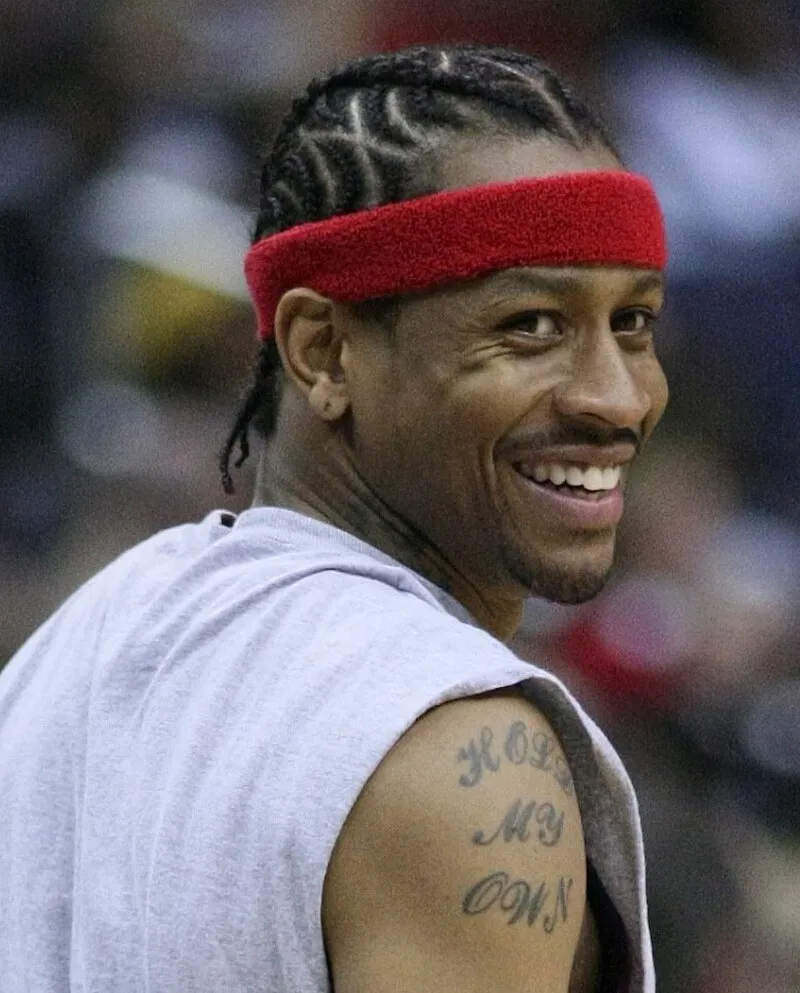
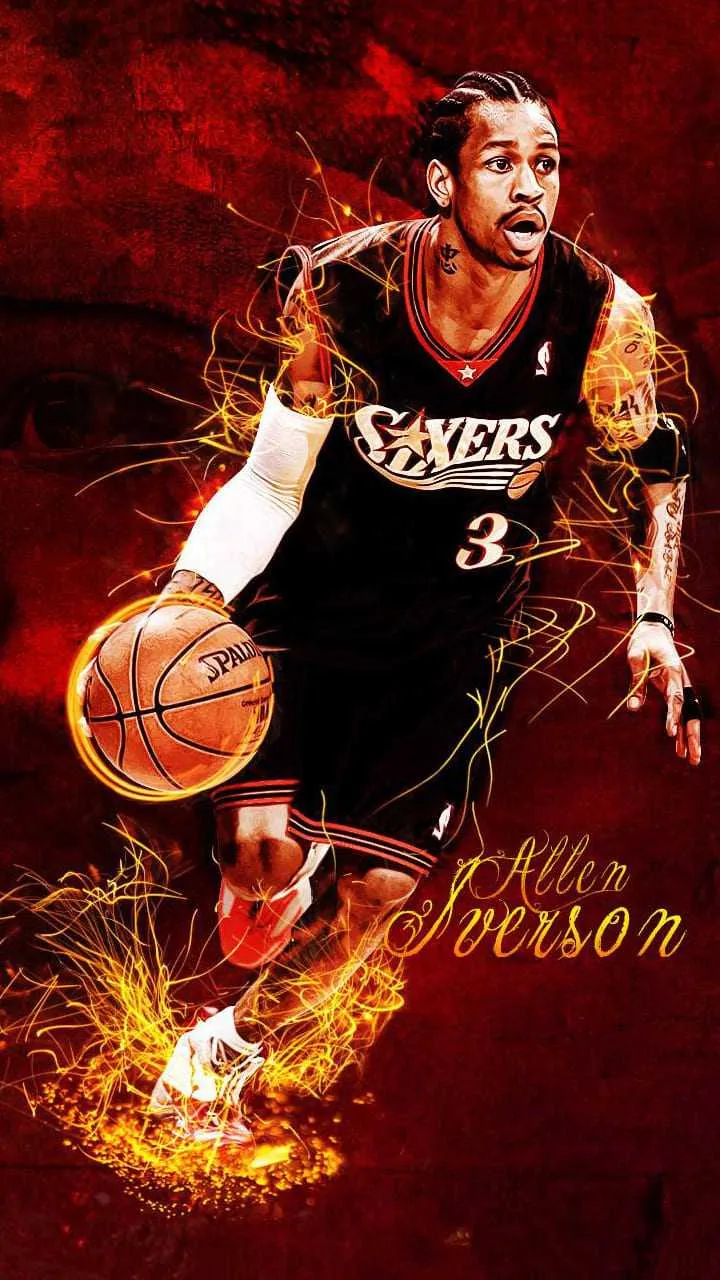 Photo: Allen Iverson, via www.ixpap.com
Iverson earned over $200 million during his playing career, making him one of the highest-paid athletes of his generation. Yet his journey from millionaire to near-bankruptcy and back to financial security offers crucial lessons about athlete wealth management and the importance of long-term financial planning.
The Philadelphia Phenomenon
Drafted first overall by the Philadelphia 76ers in 1996, Iverson immediately commanded attention both for his electrifying play and his rookie contract worth $9 million over three years. His impact was immediate—Rookie of the Year honors in 1997 set the stage for increasingly lucrative deals throughout his career.
 Photo: Philadelphia 76ers, via i2.wp.com
Iverson's first major contract extension with Philadelphia in 1999 was a six-year deal worth $70.9 million, making him one of the NBA's highest-paid players. This contract reflected not just his on-court production but his massive cultural influence, as Iverson became the face of a new generation of NBA players.
Subsequent deals with Philadelphia pushed his annual salary above $15 million, with his final extension in 2003 worth $76 million over four years. These contracts established Iverson as a maximum-salary player throughout his prime, contributing significantly to his career earnings total.
The Reebok Revolution
While NBA salaries formed the foundation of Iverson's wealth, his partnership with Reebok created his most lasting financial legacy. Signed in 1996, the deal was initially worth $5 million over five years—modest by today's standards but groundbreaking for a rookie at the time.
The genius of Iverson's Reebok deal lay not in its initial value but in its long-term structure. The contract included a unique provision: Reebok would establish a trust fund worth $32 million that Iverson could access when he turned 55 in 2030. This deferred compensation structure, negotiated by his agent at the time, would prove to be his financial salvation.
Iverson's signature shoe line with Reebok became a cultural phenomenon, with the "Question" and "Answer" models achieving iconic status. The shoes' success generated substantial royalty payments throughout his playing career and beyond, contributing millions to his annual income during his peak years.
Peak Earning Years
At his financial peak in the mid-2000s, Iverson was earning approximately $20 million annually from combined NBA salary and endorsement deals. Beyond Reebok, he maintained partnerships with Coca-Cola, Upper Deck, and various other brands that capitalized on his crossover appeal.
Iverson's cultural influence extended far beyond basketball. His impact on fashion, with cornrows, tattoos, and hip-hop style becoming mainstream in professional sports, created additional licensing and appearance opportunities. His authentic connection to urban culture made him one of the most marketable athletes of his era.
The Spending Spiral
Despite earning over $200 million during his career, Iverson's lavish lifestyle quickly consumed his wealth. Court documents from his 2012 divorce revealed monthly expenses exceeding $360,000, including jewelry, cars, and support for an extensive entourage.
Iverson's spending habits included purchasing multiple luxury vehicles, expensive jewelry collections, and maintaining homes in multiple cities. His generosity toward family and friends, while admirable, contributed to unsustainable financial outflows that his income couldn't indefinitely support.
The transition from active player to retirement proved particularly challenging. Without the steady income from NBA contracts, Iverson's expenses remained high while his earning capacity diminished. Failed business ventures and poor investment decisions further depleted his available cash.
Near-Bankruptcy and Financial Crisis
By 2012, Iverson faced serious financial difficulties despite his massive career earnings. Legal documents revealed he had less than $62,500 in available cash, shocking given his previous wealth levels. The situation highlighted the broader issue of financial literacy among professional athletes.
Iverson's financial troubles included unpaid debts, tax issues, and ongoing legal expenses related to his divorce proceedings. The contrast between his peak earning years and his financial struggles served as a cautionary tale for current and future athletes about the importance of financial planning.
The crisis forced Iverson to confront his spending habits and seek professional financial guidance. This period, while difficult, ultimately led to better financial discipline and a more sustainable approach to wealth management.
The Reebok Safety Net
The $32 million Reebok trust fund, inaccessible until Iverson turns 55 in 2030, represents his primary financial asset. This deferred compensation structure, initially seen as a way to defer taxes, became his financial lifeline during his most difficult period.
The trust fund's structure prevents Iverson from accessing the principal before the designated date, protecting the money from creditors and poor financial decisions. This forced savings plan ensures Iverson will have substantial financial resources available in his later years.
Annual distributions from Reebok royalties and licensing agreements continue providing income, though significantly less than his peak earning years. These payments help cover current expenses while preserving the trust fund for future security.
Cultural Legacy and Ongoing Revenue
Iverson's cultural impact continues generating revenue through various channels. His jersey remains among the NBA's best-sellers, creating ongoing licensing income. Documentary appearances, including his prominent role in basketball retrospectives, provide additional compensation.
The continued popularity of his signature Reebok shoes generates royalty payments, as retro releases appeal to both nostalgic fans and new generations discovering his style. Limited edition releases and collaborations create periodic revenue spikes that supplement his regular income.
Iverson's status as a Basketball Hall of Fame member ensures ongoing appearance fees and speaking engagements. His authentic personality and compelling story make him a sought-after guest for basketball events and corporate functions.
Lessons Learned and Current Status
Iverson's financial journey offers valuable lessons about athlete wealth management. His experience demonstrates both the importance of long-term financial planning and the dangers of unchecked spending, regardless of income levels.
His current financial status, while modest compared to his peak wealth, provides stability through the Reebok trust fund and ongoing revenue streams. The forced financial discipline created by his earlier struggles has led to more sustainable spending habits.
Iverson's story resonates with current players facing similar wealth management challenges. His willingness to discuss his financial mistakes publicly helps educate younger athletes about the importance of financial literacy and long-term planning.
The Answer's Financial Future
As Iverson approaches his 55th birthday in 2030, the $32 million Reebok trust fund will provide significant financial security. This delayed gratification, originally designed as a tax strategy, ultimately became his most important financial decision.
The trust fund's availability will substantially increase Iverson's net worth and provide financial flexibility for his remaining years. Combined with ongoing royalties and licensing income, this will ensure a comfortable retirement despite his earlier financial struggles.
Iverson's story represents both a cautionary tale and an inspiration—proof that even after significant financial setbacks, proper planning and disciplined spending can provide long-term security. His legacy extends beyond basketball to important lessons about wealth management and financial responsibility.